




Description

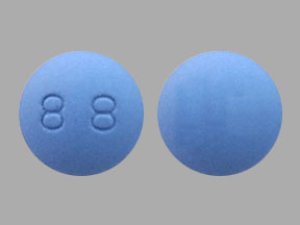
Trazodone 50 mg Tablets is available by prescription only. Go ahead and place your purchase. After making payment, we will ensure that a valid prescription is received from your prescriber.
Drug Label Highlights
These highlights do not include all the information needed to use TRAZODONE HYDROCHLORIDE TABLETS safely and effectively. See full prescribing information for TRAZODONE HYDROCHLORIDE TABLETS.
TRAZODONE HYDROCHLORIDE tablets, for oral use
Initial U.S. Approval: 1981
Warning: Suicidal Thoughts And Behaviors
See full prescribing information for complete boxed warning.
Antidepressants increased the risk of suicidal thoughts and behaviors in pediatric and young adult patients (5.1)
Closely monitor for clinical worsening and emergence of suicidal thoughts and behaviors (5.1)
Trazodone is not approved for use in pediatric patients (8.4)
Indications And Usage
Trazodone hydrochloride tablets are a selective serotonin reuptake inhibitor indicated for the treatment of major depressive disorder (MDD) (1).
Dosage And Administration
Starting dose: 150 mg in divided doses daily. May be increased by 50 mg per day every three to four days. Maximum dose: 400 mg per day in divided doses (2).
Trazodone hydrochloride tablets should be taken shortly after a meal or light snack (2).
Tablets should be swallowed whole or broken in half along the score line, and should not be chewed or crushed (2).
When discontinued, gradual dose reduction is recommended (2).
Dosage Forms And Strengths
Scored tablets of 50 mg, 100 mg and 150 mg (3).
Contraindications
Concomitant use of monoamine oxidase inhibitors (MAOIs), or use within 14 days of stopping MAOIs (4).
Warnings And Precautions
- Serotonin Syndrome: Increased risk when co-administered with other serotonergic agents (e.g., SSRI, SNRI, triptans), but also when taken alone. If it occurs, discontinue trazodone hydrochloride tablets and initiate supportive treatment (5.2).
- Cardiac Arrhythmias: Increases the QT interval. Avoid use with drugs that also increase the QT interval and in patients with risk factors for prolonged QT interval (5.3)
- Orthostatic Hypotension and Syncope: Warn patients of risk and symptoms of hypotension (5.4).
- Increased Risk of Bleeding: Concomitant use of aspirin, nonsteroidal anti-inflammatory drugs (NSAIDs), other antiplatelet drugs, warfarin, and other anticoagulants may increase this risk (5.5).
- Priapism: Cases of painful and prolonged penile erections and priapism have been reported. Immediate medical attention should be sought if signs and symptoms of prolonged penile erections or priapism are observed (5.6).
- Activation of Mania or Hypomania: Screen for bipolar disorder and monitor for mania or hypomania (5.7).
- Potential for Cognitive and Motor Impairment: Has potential to impair judgment, thinking, and motor skills. Advise patients to use caution when operating machinery (5.9).
- Angle-Closure Glaucoma: Avoid use of antidepressants, including trazodone hydrochloride tablets, in patients with untreated anatomically narrow angles. (5.10).
- Serotonin Syndrome: Increased risk when co-administered with other serotonergic agents (e.g., SSRI, SNRI, triptans), but also when taken alone. If it occurs, discontinue trazodone hydrochloride tablets and initiate supportive treatment (5.2).
- Cardiac Arrhythmias: Increases the QT interval. Avoid use with drugs that also increase the QT interval and in patients with risk factors for prolonged QT interval (5.3)
- Orthostatic Hypotension and Syncope: Warn patients of risk and symptoms of hypotension (5.4).
- Increased Risk of Bleeding: Concomitant use of aspirin, nonsteroidal anti-inflammatory drugs (NSAIDs), other antiplatelet drugs, warfarin, and other anticoagulants may increase this risk (5.5).
- Priapism: Cases of painful and prolonged penile erections and priapism have been reported. Immediate medical attention should be sought if signs and symptoms of prolonged penile erections or priapism are observed (5.6).
- Activation of Mania or Hypomania: Screen for bipolar disorder and monitor for mania or hypomania (5.7).
- Potential for Cognitive and Motor Impairment: Has potential to impair judgment, thinking, and motor skills. Advise patients to use caution when operating machinery (5.9).
- Angle-Closure Glaucoma: Avoid use of antidepressants, including trazodone hydrochloride tablets, in patients with untreated anatomically narrow angles. (5.10).
Serotonin Syndrome: Increased risk when co-administered with other serotonergic agents (e.g., SSRI, SNRI, triptans), but also when taken alone. If it occurs, discontinue trazodone hydrochloride tablets and initiate supportive treatment (5.2).
Cardiac Arrhythmias: Increases the QT interval. Avoid use with drugs that also increase the QT interval and in patients with risk factors for prolonged QT interval (5.3)
Orthostatic Hypotension and Syncope: Warn patients of risk and symptoms of hypotension (5.4).
Increased Risk of Bleeding: Concomitant use of aspirin, nonsteroidal anti-inflammatory drugs (NSAIDs), other antiplatelet drugs, warfarin, and other anticoagulants may increase this risk (5.5).
Priapism: Cases of painful and prolonged penile erections and priapism have been reported. Immediate medical attention should be sought if signs and symptoms of prolonged penile erections or priapism are observed (5.6).
Activation of Mania or Hypomania: Screen for bipolar disorder and monitor for mania or hypomania (5.7).
Potential for Cognitive and Motor Impairment: Has potential to impair judgment, thinking, and motor skills. Advise patients to use caution when operating machinery (5.9).
Angle-Closure Glaucoma: Avoid use of antidepressants, including trazodone hydrochloride tablets, in patients with untreated anatomically narrow angles. (5.10).
Adverse Reactions
Most common adverse reactions (incidence ≥ 5% and twice that of placebo) are: edema, blurred vision, syncope, drowsiness, fatigue, diarrhea, nasal congestion, weight loss (6).
To report SUSPECTED ADVERSE REACTIONS, contact Teva at 1-888-838-2872 or FDA at 1-800-FDA-1088 or www.fda.gov/medwatch.
Drug Interactions
CNS Depressants: Trazodone hydrochloride tablets may enhance effects of alcohol, barbiturates, or other CNS depressants (7).
CYP3A4 Inhibitors: Consider trazodone hydrochloride tablets dose reduction based on tolerability (2.5, 7).
CYP3A4 Inducers: Increase in trazodone hydrochloride tablets dosage may be necessary (2.5, 7).
Digoxin or Phenytoin: Monitor for increased digoxin or phenytoin serum levels (7).
Warfarin: Monitor for increased or decreased prothrombin time (7).
See 17 for PATIENT COUNSELING INFORMATION and Medication Guide.
Revised: 7/2025
DailyMed highlights last updated: 2026-06-24 22:19:53






Reviews
There are no reviews yet.