




Description

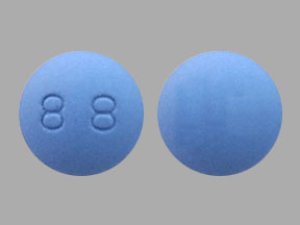
Allopurinol 100 mg Tablets is available by prescription only. Go ahead and place your purchase. After making payment, we will ensure that a valid prescription is received from your prescriber.
Drug Label Highlights
These highlights do not include all the information needed to use ALLOPURINOL TABLETS safely and effectively. See full prescribing information for ALLOPURINOL TABLETS.
ALLOPURINOL tablets,
for oral use Initial U.S. Approval: 1966
Indications And Usage
Allopurinol tablets is a xanthine oxidase inhibitor indicated for the management of:
Limitations of Use
Allopurinol is not recommended for the treatment of asymptomatic hyperuricemia. (1)
Dosage And Administration
− Adults: 300 mg to 800 mg orally daily.
− Pediatric patients: 100 mg/m2 orally every 8 hours to 12 hours (10 mg/kg/day, maximum 800 mg/day)
− See complete information in the FPI. (2.4, 2.6)
Dosage Forms And Strengths
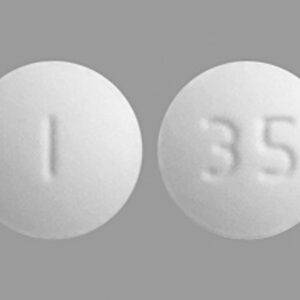
Tablets: 100 mg and 300 mg, functionally scored (3)
Contraindications
Known hypersensitivity to allopurinol or to any of the ingredients of allopurinol tablets. (4)
Warnings And Precautions
- Skin Rash and Hypersensitivity: Allopurinol has been associated with serious and sometimes fatal dermatological reactions. Discontinue allopurinol at the first appearance of skin rash or other signs of hypersensitivity reaction. (5.1)
- Gout Flares: May occur during initiation of treatment. Concurrent prophylactic treatment with colchicine or anti-inflammatory agents is recommended. (5.2)
- Nephrotoxicity: Allopurinol may affect kidney function. Patients with decreased kidney function require lower doses of allopurinol. (5.3)
- Hepatoxicity: Cases of reversible hepatotoxicity have occurred. If signs and symptoms of hepatotoxicity develop, evaluate liver function. (5.4)
- Myelosuppression: Bone marrow suppression has been reported with allopurinol. (5.5)
- Potential Effect on Driving and Use of Machinery: Drowsiness, somnolence and dizziness have been reported in patients taking allopurinol. (5.6)
- Skin Rash and Hypersensitivity: Allopurinol has been associated with serious and sometimes fatal dermatological reactions. Discontinue allopurinol at the first appearance of skin rash or other signs of hypersensitivity reaction. (5.1)
- Gout Flares: May occur during initiation of treatment. Concurrent prophylactic treatment with colchicine or anti-inflammatory agents is recommended. (5.2)
- Nephrotoxicity: Allopurinol may affect kidney function. Patients with decreased kidney function require lower doses of allopurinol. (5.3)
- Hepatoxicity: Cases of reversible hepatotoxicity have occurred. If signs and symptoms of hepatotoxicity develop, evaluate liver function. (5.4)
- Myelosuppression: Bone marrow suppression has been reported with allopurinol. (5.5)
- Potential Effect on Driving and Use of Machinery: Drowsiness, somnolence and dizziness have been reported in patients taking allopurinol. (5.6)
Adverse Reactions
Most common adverse reactions (incidence > 1%) are nausea, diarrhea, and increase in liver function tests. (6)
To report SUSPECTED ADVERSE REACTIONS, contact Hetero Labs Limited at 1-866-495-1995 or FDA at 1-800-FDA-1088 or www.fda.gov/medwatch.
Drug Interactions
Use In Specific Populations
See 17 for PATIENT COUNSELING INFORMATION.
Revised: 6/2024
DailyMed highlights last updated: 2026-06-24 22:34:07





Reviews
There are no reviews yet.